
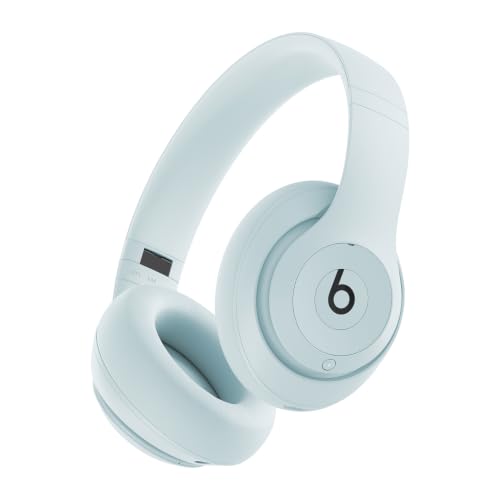
Wireless headphones are the most crowded shelf in consumer electronics: earbuds from $15 to $350, over-ears from $30 to $550, all promising silence, bass, and forty hours of everything. The differences that actually change your daily experience are narrower than the marketing suggests. Three things matter most — how they fit, how their noise cancelling performs in your real environments, and how their battery behavior fits your routine.
Fit first: earbuds versus over-ears
No specification survives a bad fit. Earbuds seal inside the ear canal, and that seal is doing half the work of both bass and noise cancelling; if the included tips do not seal for you, expensive buds will sound thin and let the world in. Try every tip size in the box. Over-ear headphones trade portability for comfort over long sessions and generally stronger noise cancelling, but they vary hugely in clamp force and ear cup depth — glasses wearers feel this within an hour. On-ear models sit between the two and satisfy fewer people; buy them only after trying. If a retailer’s return policy allows a home trial, use it: headphones are the most returned category in audio for a reason.
ANC: what the numbers cannot tell you
Active noise cancelling works best on steady, low sounds — airplane engines, bus rumble, air conditioning — where top models can make a cabin feel dramatically quieter. It does much less against voices, keyboard clatter, and sudden noises, which is why no headphone makes an office silent. Brands rarely publish comparable measurements, so treat ANC as a tier rather than a spec: flagship models from the major audio brands are genuinely a class above budget ANC, which still beats none at all on a flight. Transparency mode quality matters too if you walk city streets or need to hear announcements — the best implementations sound natural rather than like a phone call with the outdoors.
Battery life: read it correctly
Earbud battery claims combine the buds and the case. Six hours in the buds plus three case recharges is advertised as thirty hours — fine for a week of commutes, but the per-session number is the one that matters on a long flight. Over-ears typically run 30 to 60 hours with ANC on, which in practice means charging every week or two. Two underrated details: a ten-minute quick charge that returns several hours of play rescues forgotten charging more often than raw capacity does, and multipoint Bluetooth — staying connected to your phone and laptop at once — is the feature owners consistently say they would never give back.
What to pay
Strong earbuds exist at $40 to $80 on sale; the flagship tier at $170 to $250 buys better ANC, wireless charging, and fit polish rather than a different universe of sound. Over-ears follow the same pattern, with excellent models frequently discounted to $180 to $280 from higher list prices. Audio gear discounts deeply and often, so patience pays. When we verify a price worth acting on, it appears in our electronics deals.
Leave a Reply