
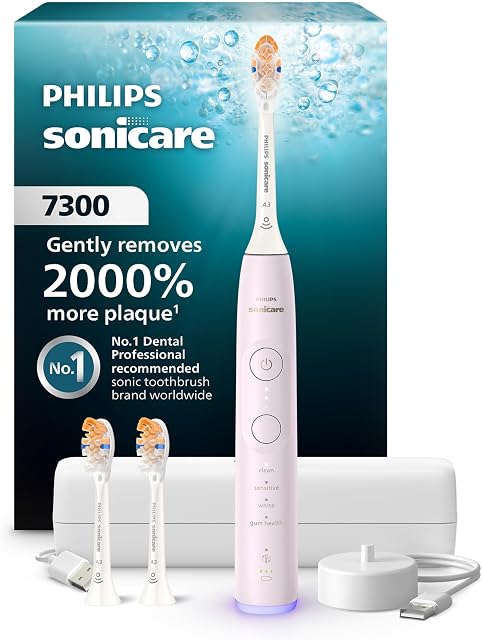
Dentists agree that a good electric toothbrush cleans better than most people’s manual technique — but the toothbrush aisle is engineered to upsell you. Brushes run from $25 to $300, and the expensive ones are not five times better at cleaning teeth. Here is what genuinely matters, what is marketing, and how to think about the real cost of owning one.
Sonic versus oscillating: pick your feel
The two big technologies are sonic brushes, which vibrate a standard-shaped head at high speed (Philips Sonicare is the best-known), and oscillating-rotating brushes, whose small round heads spin and pulse (the Oral-B approach). Clinical studies find both outperform manual brushing; oscillating heads have a slight edge in some plaque studies, while many people find sonic brushes gentler and quieter. The honest answer is that the best brush is the one you will use for two minutes, twice a day. If you tried one style and hated it, switch styles rather than giving up on electric.
The three features that earn their money
First, a two-minute timer with 30-second pulses — pacing is the single biggest improvement most people get from going electric. Second, a pressure sensor. Brushing too hard damages gums and enamel, and a brush that warns you (or slows down) when you press too hard fixes a habit you cannot feel yourself. Third, battery life measured in weeks, not days, so the brush lives on the counter instead of in a charger hunt. Bluetooth apps, cleaning scores, color screens, and travel-case UV sanitizers are all nice stories that do not clean teeth any better.
The real cost is the replacement heads
Heads need replacing about every three months, and this is where cheap brushes get expensive and expensive brushes get absurd. Before buying, price the genuine replacement heads and multiply by four per year — on some premium lines, a year of heads costs more than a solid mid-range brush. Third-party compatible heads cut that cost sharply, though fit and bristle quality vary. A $70 brush with $8 heads is a better three-year deal than a $40 brush with $15 heads. Also check what is in the box: a bundle with three heads included is effectively a year of refills, which can make a higher sticker price the cheaper buy.
What to pay
Excellent brushes exist at $40 to $80 on sale, with timers, pressure sensors, and multi-week batteries. Above $120 you are mostly buying design, apps, and charging glass. This category discounts heavily during major sale events, so list prices are a poor guide. When we verify a strong price on a well-reviewed model, it lands in our health deals. Buy the mid-range, keep up with the heads, and let the timer do its work.
Leave a Reply